It happened on a Tuesday. November 30, 2021. For most of us, it was just another random day at the end of the year. But for Billie Eilish, it was the start of something she later described as "indescribable" and "terrifying."
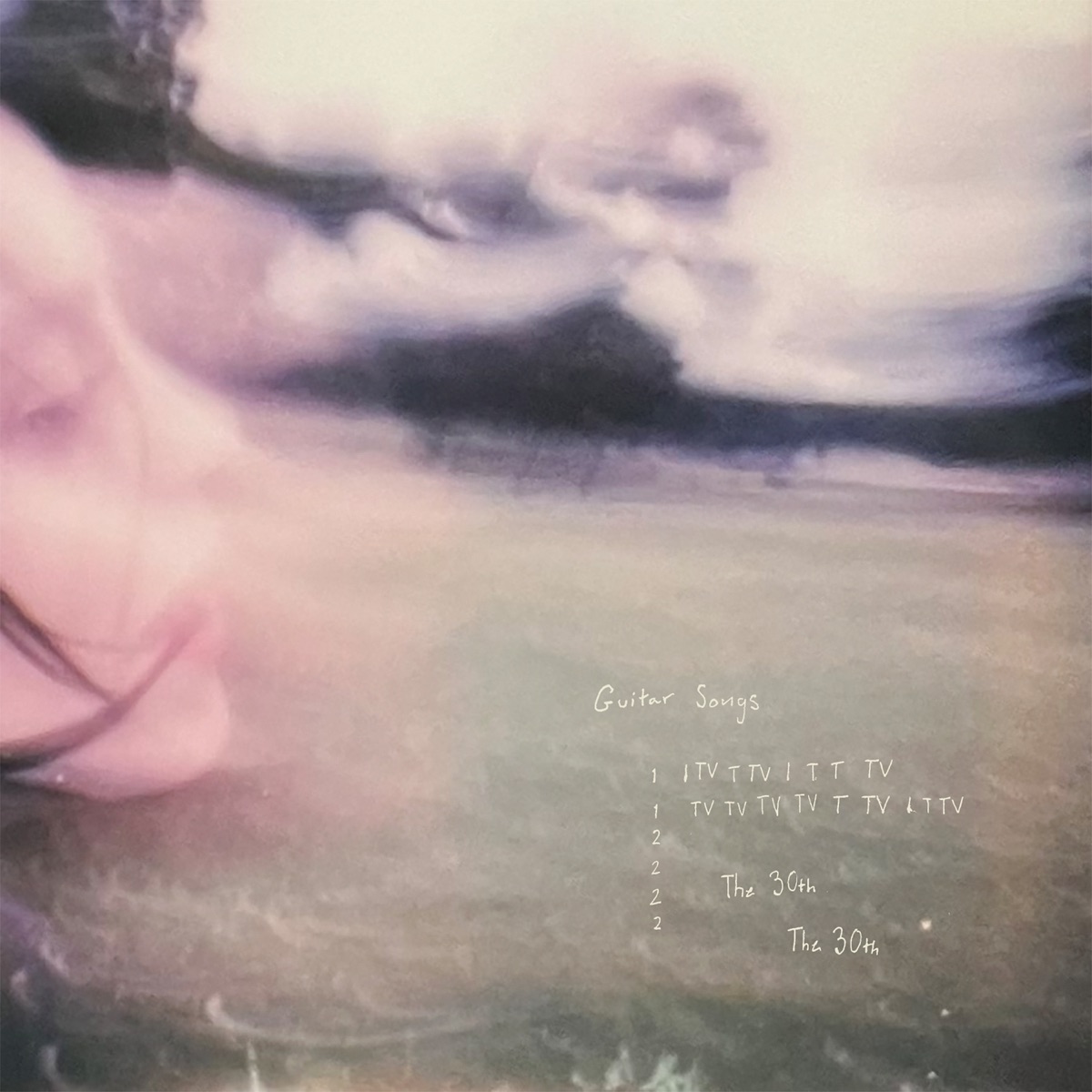
When she finally dropped The 30th as part of her surprise Guitar Songs EP in July 2022, fans weren't just listening to a new track; they were hearing a frantic, 911-call of a song. It’s a gut-punch. Honestly, if you’ve ever sat in a hospital waiting room, you know the exact flavor of dread she’s pouring out here.
The Story Behind the Lyrics
The song isn't some abstract metaphor about heartbreak. It’s literal. Billie Eilish the 30th lyrics tell the story of a massive car accident involving someone incredibly close to her.
In an interview with Zane Lowe on Apple Music, Billie opened up about the timeline. She and Finneas wrote the song on December 30th—exactly one month after the event. It was the first thing they had written since her massive Happier Than Ever album. She basically walked into Finneas's room and told him they had to write it immediately. She had all these thoughts swirling in her head, mostly "what ifs" and "thank gods," and she needed to get them out before they consumed her.
The song starts out super quiet. Just a guitar.
“Sometimes you look the same / Just like you did before the accident”
That opening line is heavy. It sets the scene of someone looking at a loved one and trying to reconcile the person they know with the person who just almost died. It’s a specific kind of trauma—when someone looks fine on the outside but you know everything almost ended.
Breaking Down the Bridge: The Panic Attack
If the beginning of the song is the shock, the bridge is the full-blown panic. It’s arguably one of the most intense things Billie has ever recorded. The tempo picks up, her voice gets more urgent, and the lyrics start spiraling through every possible worst-case scenario.
She mentions "The Five," which is the I-5 freeway in California. It’s a notoriously busy, dangerous stretch of road. She sings about seeing the ambulances on the shoulder and not even realizing, at first, that they were there for her person.
The "What If" Spiral
Billie lists out the ways it could have been worse:
- A different day: Maybe a day with more traffic.
- The bridge: What if there wasn't a guardrail?
- A neighborhood street: What if there were kids playing nearby?
- Angeles Crest: A winding, mountain road in LA that is terrifying in the "snow or the rain."
Then comes the heaviest line: “What if you weren’t alone? There were kids in the car.” You can hear the air leaving the room. It’s a realization of how fragile everything is. The bridge ends with her repeating, “You’re alive, you’re alive, you’re alive,” like she’s trying to convince herself it’s true. It sounds like she's hyperventilating. Because she probably was.
Why the Ending Hits Differently
There is a subtle lyric change at the end of the song that most people miss on the first listen.
In the first chorus, she sings: “In that hospital bed / I remember you said you were scared / And so was I.” But in the final chorus, after that chaotic bridge, she changes it: “In your hospital bed / I remember you said you were scared / And so am I.”
The shift from "was" to "am" is everything. It tells us that even though the person survived, the fear hasn't left. The trauma is still happening. It’s a very honest look at how accidents don’t just end when the person gets discharged. They live in your head for a long time after.
A Different Side of Billie
We’re used to Billie Eilish being the master of "cool." Whether it’s the whisper-singing of Ocean Eyes or the "bad guy" persona, she usually feels like she’s in control.
The 30th is the opposite of that.
It’s messy. It’s raw. It’s why she released it as part of Guitar Songs instead of saving it for a huge studio album. She wanted the world to hear it exactly as it was: a sister and a brother with a guitar, trying to make sense of a really bad day.
Usually, Billie’s lyrics are a bit more cryptic. Think about Bellyache—she’s playing a character. But here, there’s no character. She’s naming specific roads. She’s talking about specific phone calls the person doesn't remember making. It’s a level of vulnerability that makes you feel like you’re eavesdropping on a private conversation.
What to Do With This Song
If you're listening to this track and it’s hitting a little too close to home, you aren't alone. It’s a "trauma" song, but it’s also a "gratitude" song.
Next Steps for the Listener:
- Check the lyrics against the bridge: Next time you listen, try to follow the "What Ifs." It’s a masterclass in songwriting that shows how to build tension without using a single drum beat.
- Listen to "TV" right after: Since they were released together, they pair well. TV is about the world falling apart (Roe v. Wade, celebrity trials), while The 30th is about her personal world falling apart.
- Appreciate the silence: The way the song ends abruptly is intentional. It leaves you sitting in the quiet, which is exactly how you feel after a big scare.
The song is a reminder that life changes in a second. One minute you're worried about being late for "unusually early traffic," and the next, you're looking at a hospital bed. Billie Eilish turned that terror into one of the most haunting songs of the 2020s.