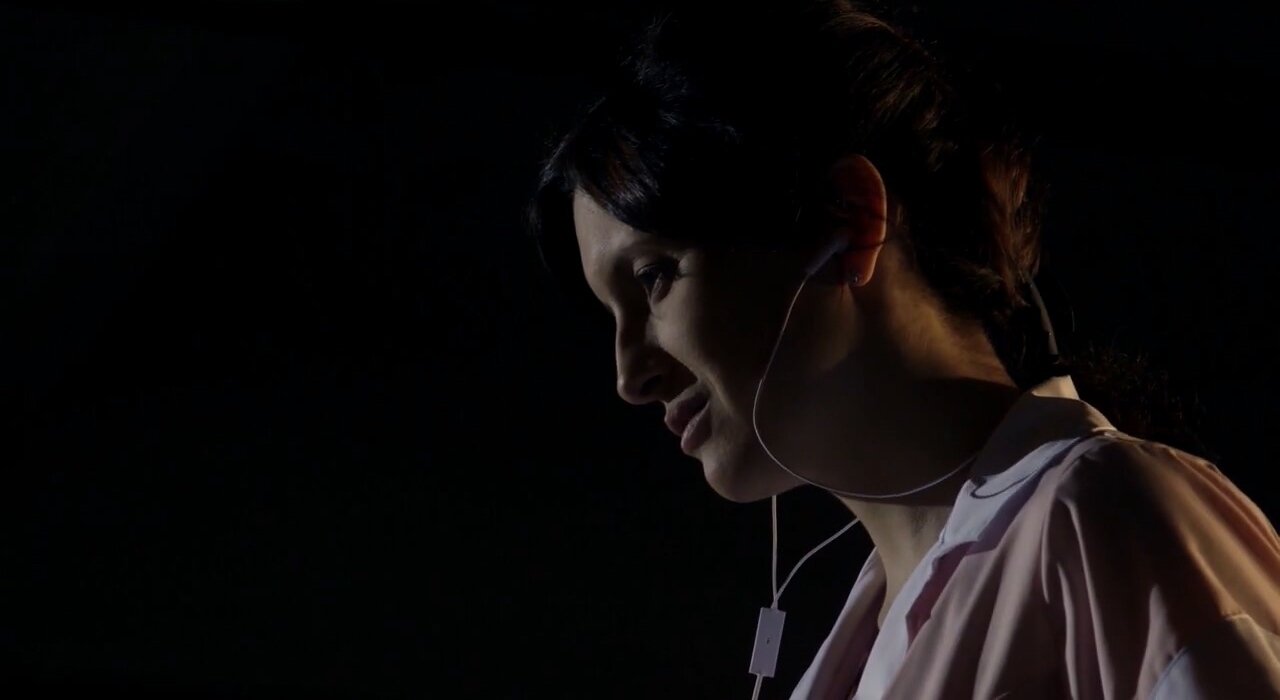
You’ve probably seen the thumbnail while scrolling through Max or Hulu. A woman in medical scrubs or a cleaning uniform, looking intense, usually holding a spray bottle that definitely isn't just filled with Windex. It's La Chica que Limpia. Or The Cleaning Lady. Or Hizmetçi. Depending on where you live, the title changes, but the core of the story—a woman cleaning up the literal and metaphorical messes of the criminal underworld—has become a massive global phenomenon.
It’s a weirdly specific premise.
Why do we keep watching it? Most people think it’s just another crime thriller, but there’s a lot more under the surface regarding class, immigration, and the invisible labor that keeps society running. Honestly, the journey of this show from a small Argentinian production to a multi-billion dollar US franchise is one of the most interesting business stories in modern television.
Where La Chica que Limpia Actually Started
A lot of US viewers think the show started with Elodie Yung on Fox. It didn't. The original La Chica que Limpia was an Argentinian miniseries that aired in 2017. It was created by Greta Molas and written by Irene Gissara, Lucas Combina, and Greta Molas herself. It was short—only thirteen episodes—and it was gritty. Really gritty.
In the original version, the protagonist is Rosa, played by Antonella Costa. She’s a cleaning lady who stumbles into a crime scene at a boxing club and, out of necessity to fund her son’s life-saving medical treatment, starts working for the mob. She isn't a doctor like in the American version. She’s just a woman who is exceptionally good at her job.
There’s a rawness to the Argentinian version that often gets lost in translation. It wasn't about high-stakes international espionage or FBI informants. It was about a mother trapped in a system that didn't care if her child lived or died. That's the emotional hook that made it work. When a story is that's grounded in a universal truth—like the lengths a parent will go for a child—it travels well.
The Mexican Adaptation and the Global Spread
After the success in Argentina, Mexico jumped on it. La Muchacha que Limpia (2021) starred Damayanti Quintanar and aired on HBO Latin America. This version leaned harder into the "disposable" nature of domestic workers in Mexico City. It highlighted the terrifying reality of femicidio and the way women in service roles are often treated as if they are invisible.
Then came the Turkish version, Adim Farah. Turkey is currently the world’s second-largest exporter of television after the US, so when they adapt a script, the whole world notices. They turned it into a sweeping, romantic, high-drama "dizi."
Each version reflects the anxieties of its home country. In Argentina, it’s about economic collapse and medical gatekeeping. In the US, it’s about the broken immigration system. In Mexico, it’s about safety and class hierarchies.
Why the US Version of The Cleaning Lady Changed Everything
When Fox decided to adapt La Chica que Limpia for a US audience, they made a pivotal change. They turned the protagonist, Thony De La Rosa, into a Cambodian-Filipino doctor.
This was a genius move for a few reasons.
First, it added a layer of "expert knowledge." Instead of just being good at cleaning, Thony uses her medical background to sanitize crime scenes with surgical precision. She knows how to use chemicals to break down DNA because she understands the molecular level of biology. It turned a domestic drama into a "competence porn" show, where we get to watch someone who is overqualified for their job perform it flawlessly under pressure.
Secondly, it addressed the "Model Minority" myth. Thony is a brilliant surgeon, but because she’s in the US on an expired visa, she’s legally nobody. She’s forced into the shadows. This is a reality for thousands of professionals who migrate to the US and end up working in service industries because their credentials aren't recognized or their legal status is in limbo.
The Reality of "Cleaning" Crime Scenes
Is the show realistic? Sorta.
I talked to a restoration specialist once—the kind of person who actually cleans up "unattended deaths" and crime scenes. They don't use a little spray bottle and a rag. They use industrial-grade ozone generators, specialized enzyme cleaners that "eat" organic matter, and full-body PPE.
In La Chica que Limpia, the cleaning is stylized. It’s fast. In real life, cleaning a room where a violent crime happened takes days, not twenty minutes between mob meetings. But the show gets the psychology right. The idea that if you can remove the physical evidence, the sin didn't happen. It’s a powerful metaphor.
The Business of Global Script Sales
You might wonder why studios keep remaking the same thing instead of just dubbing the original. It’s all about the "format."
When a production company buys the rights to La Chica que Limpia, they aren't just buying the story. They are buying a proven "Bible." This document contains the character arcs, the pacing, the "twist" points, and the demographic data of who watched it.
- Risk Mitigation: It is much cheaper and safer to produce a show that has already succeeded in three other countries than to gamble on an original pilot.
- Cultural Resonancy: Humor and horror are cultural. A joke in Buenos Aires might flop in Istanbul. By remaking the show, creators can keep the "spine" of the story while skinning it in local culture, slang, and social issues.
Warner Bros. International Television Production has been the driving force behind many of these deals. They recognized early on that the "mother-protector" archetype combined with "underworld-cleaner" aesthetics was a goldmine.
What Most People Get Wrong About the Genre
People often lump La Chica que Limpia in with "Narco" dramas like Breaking Bad or Narcos. That’s a mistake.
This isn't a show about the allure of power. Rosa (or Thony, or Farah) doesn't want to build an empire. She isn't looking for "respect" or "legacy." She is looking for an insurance card. She is looking for a liver transplant. She is looking for a way to stay in the country.
The stakes are fundamentally different. In a traditional crime show, the protagonist is trying to be the top. In this show, the protagonist is trying to survive the top. It’s a subversion of the genre that keeps it from feeling like just another "drug lord" story. It’s a survival horror story dressed up as a procedural.
The Impact of the Writers' Strike and Production Delays
The US version faced a massive hurdle with the 2023 strikes and the tragic passing of lead actor Adan Canto (who played Arman Morales). For a while, fans weren't sure if the show would survive. Canto’s portrayal of the "gentleman gangster" was the foil to Thony’s moral compass.
The show’s ability to pivot and focus on Thony’s solo agency in Season 3 showed the strength of the original format. It proved that the concept of La Chica que Limpia is bigger than any one actor. It’s the situation—the "cleaner" caught between two worlds—that provides the infinite tension.
Nuance and Criticism: Does it Glorify Crime?
There is a valid criticism that these shows sometimes "romanticize" the criminals. Arman Morales is a murderer, yet we want him to end up with Thony.
However, the show often counters this by showing the collateral damage. The people Thony "cleans" up after were fathers, sons, and brothers. The show doesn't always let the viewer off easy. It acknowledges that Thony is becoming a part of the machine she hates.
Is she a hero? Or is she an accomplice? The best versions of the show leave that question unanswered. They force the viewer to ask: "What would I do if my child was dying and the only person who could help me was a monster?"
Most of us would pick up the sponge.
Actionable Insights for Fans and Creators
If you’re a fan of the show or a creator looking to understand why this specific story works so well, here are the key takeaways from the La Chica que Limpia phenomenon:
- Watch the Originals: If you've only seen the US version, find the 2017 Argentinian original. It provides a much darker, more grounded perspective on the character’s motivations without the "Hollywood" sheen. It’s a masterclass in low-budget, high-tension filmmaking.
- Analyze the "Invisible Labor" Angle: The next time you watch, pay attention to the background characters. The show is a commentary on how we ignore the people who clean our offices, hotels, and streets. The "superpower" of the protagonist is her invisibility.
- Recognize the Format: Understand that this is a "travelling script." If you are a writer, look at how the core "engine" of the story (a desperate mother with a specialized skill) can be adapted into almost any setting or culture.
- Support Original Creators: Much of the success of the US version is owed to the Argentinian writers who lived through economic instability to write this. Checking the credits and following the work of the original creators helps sustain a global creative ecosystem.
- Look Past the Action: The show’s longevity isn't in the gunfights; it's in the medical and legal hurdles. The "villain" isn't just the mob boss—it’s the healthcare system and the bureaucracy of borders.
The story of the cleaning lady isn't over. With more adaptations likely on the horizon in other markets, it has officially become a modern archetype. It’s a reminder that sometimes the most compelling stories aren't about the people making the mess, but the ones left to deal with the consequences.