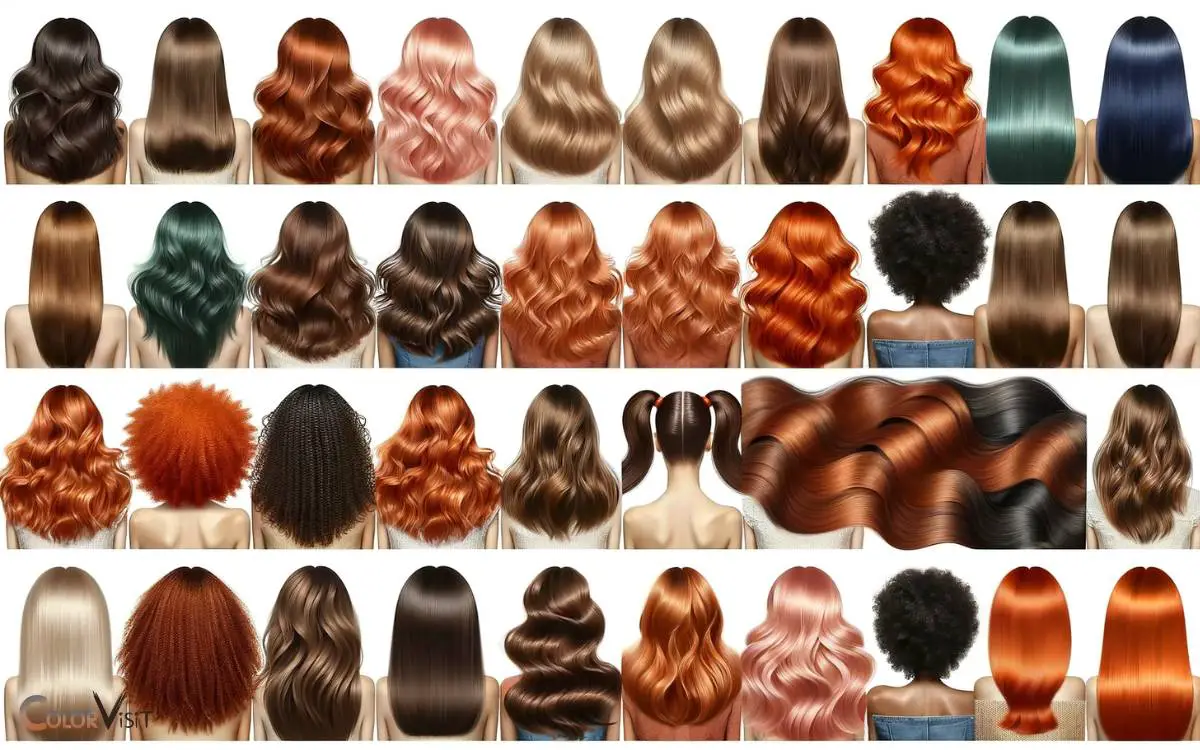
It happens to everyone eventually. You’re sitting in the stylist's chair, looking at a swatch book, and you see it—that rich, glowing, spicy hue that sits right in the middle of a sunset and a mahogany desk. Some call it copper. Others call it auburn. In the industry, we often just call it orange brown hair colour. It's gorgeous. Honestly, it’s one of the few shades that actually looks better as the sun hits it, turning a standard brunette base into something that looks like it’s vibrating with heat.
But here’s the thing. Most people are terrified of it.
Why? Because for years, "orange" was a dirty word in hair care. It was synonymous with "brassiness" or a DIY bleach job gone wrong. We’ve been conditioned to think any hint of warmth is a mistake that needs to be toned out immediately with purple shampoo. That is a massive misconception. When intentional, orange brown hair colour is a high-fashion, sophisticated choice that works for a surprising variety of skin tones. It isn’t a mistake; it’s a mood.
The Science of the "Spicy Brunette"
To understand why this colour works, you have to look at the underlying pigments in hair. Everyone has them. If you’re a natural brunette, your hair is packed with large molecules of red and orange pigment. When we dye hair an orange brown shade, we aren't fighting nature. We're leaning into it. This is why these shades often look more "real" than a flat, cool-toned ash brown.
Texture matters too. If you have curly hair, warmth is your best friend. Light reflects differently off a curl than it does off a straight strand. Cool tones can make curls look "thirsty" or matte. Warmth, specifically that orange-tinted brown, gives the illusion of moisture and depth. It’s basically a highlighter for your hair texture.
Celebrity colorists like Jenna Perry—who has worked with the likes of Kendall Jenner and Bella Hadid—have been instrumental in bringing these "expensive copper" and "cowgirl copper" trends to the mainstream. These aren't just bright ginger shades. They are grounded in brown. It’s that brown base that makes the orange wearable for someone who isn't ready to go full Ron Weasley.
Why your skin tone actually loves warmth
There’s this old-school rule that says if you have "cool" skin, you need "cool" hair. Forget that. Often, putting a cool, ashy brown against pale, cool skin makes a person look washed out or tired. Adding a bit of orange-brown can actually bring "blood" back to the face. It creates a healthy-looking flush.
- For fair skin with blue undertones: A soft, gingery brown creates a striking contrast.
- For olive skin: Be careful here. You want more of the "brown" and less of the "orange" to avoid looking sallow, but a deep burnt orange highlight can look incredible.
- For deep skin tones: This is where the magic happens. A rich, coppery brown on dark hair looks like liquid bronze.
Maintenance is a different beast
Let's get real for a second. Orange and red pigments are the largest molecules in the hair colour world. Because they are so big, they don't penetrate as deeply into the hair shaft as smaller blue or violet pigments do. This means they are the first to pack their bags and leave when you jump in the shower.
If you want your orange brown hair colour to stay vibrant, you have to change how you live. Hot water is the enemy. It opens the cuticle and lets that expensive pigment slide right out. Use lukewarm water. Better yet, use cold water if you’re brave enough.
You also need a dedicated color-depositing conditioner. Brands like Overtone or Madison Reed have made this easy. You aren't just conditioning; you're "refilling" the colour every time you wash. Without this, your vibrant spicy brown will turn into a muddy, dull tan within three weeks. It's just the way the chemistry works. There is no way around it.
Common mistakes and how to avoid them
The biggest disaster happens when people try to achieve this at home over hair that has already been dyed dark. If you put an orange-brown box dye over "Natural Black" hair, nothing will happen except maybe your roots will turn bright orange. We call this "hot roots." It’s not cute.
You also have to consider your "starting point." If you are currently a platinum blonde, you can't just dump a copper-brown dye on your head. Your hair lacks the "filler" pigments needed to hold onto the colour. It will likely turn a weird, swampy translucent green-orange. You have to "fill" the hair with a red protein filler first. It’s a multi-step process. This is why professionals charge the big bucks.
The "Orange" vs. "Brassy" debate
We need to clear this up. "Brassy" is what happens when brown hair lifts and reveals unwanted, muddy yellow-orange undertones. It looks accidental. Orange brown hair colour is a deliberate choice where the orange is saturated, clear, and bright. It’s the difference between a rusty car and a copper penny. One looks weathered; the other looks polished.
If you're worried about looking too "pumpkin," ask your stylist for a "brown-leaning copper" or a "warm mahogany." Use words like "amber," "cognac," or "terracotta." These imply a sophisticated mix of pigments rather than a primary colour.
Making the transition: Practical steps
If you're ready to take the plunge into the world of orange brown, don't just jump. Transitioning your hair colour is a marathon, not a sprint.
- Start with a Gloss. If you’re a natural brunette, ask for a copper or gold gloss. It’s semi-permanent. It’ll give you a "test drive" of the warmth without the commitment of permanent dye.
- Focus on the Face. You don't have to dye your whole head. A few "money piece" highlights in a burnt orange shade can change your entire look.
- Check your Wardrobe. Warm hair changes how your clothes look. You might find that your favorite cool-grey sweater suddenly looks a bit "off." You’ll probably start gravitating toward greens, creams, and navy blues.
- Invest in UV Protection. The sun bleaches orange pigment faster than almost anything else. If you're going to be outside, use a hair veil or a hat.
What to tell your stylist
Don't just say "I want orange brown." That’s too vague. Bring pictures. Specifically, find pictures that show the hair in natural sunlight and indoors. A colour that looks like a subtle chestnut in a dim room might look like a neon sign in the sun. You need to be okay with both versions.
Ask about the "level." Hair colour is measured on a scale of 1 to 10. A level 6 copper-brown is very different from a level 4 mahogany. Knowing your level helps you maintain your roots later on.
Honestly, the best part about this shade is its versatility. It can be edgy and punk-rock, or it can be "old money" and refined. It all depends on the balance of the brown base. The more brown you keep, the more "natural" it looks. The more orange you add, the more of a statement you make.
Actionable insights for long-lasting glow
To keep that orange brown hair colour looking salon-fresh, stop washing your hair every day. Seriously. Invest in a high-quality dry shampoo. When you do wash, use a sulfate-free shampoo. Sulfates are essentially detergents; they are great at cleaning grease but terrible for maintaining delicate warm pigments.
Lastly, don't fear the fade. As orange-brown fades, it often turns into a lovely, honeyed bronde. Embrace the different stages of the colour. It’s a living thing. Treat it well, keep it hydrated with a weekly hair mask containing argan or marula oil, and enjoy the fact that you're no longer afraid of a little warmth in your life.