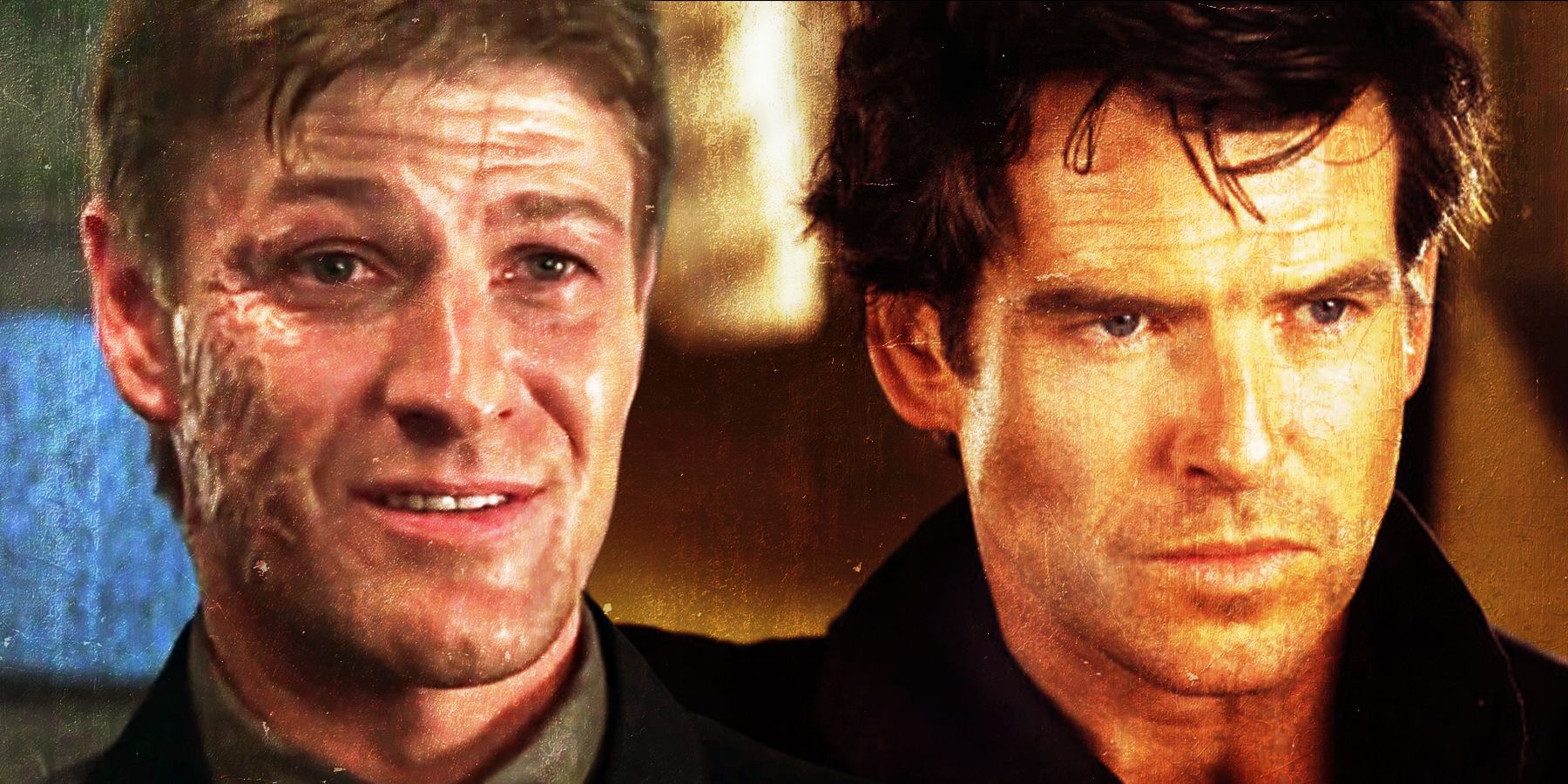
Ask anyone to name the best Bond villain, and they’ll probably point to a guy with a cat or a metal-toothed giant. But for a certain generation, the real answer is Sean Bean. It’s not just because he survived (briefly) a fall off a massive satellite dish. It's because he was almost the man holding the martini instead of the one trying to poison it.
The history of sean bean james bond goldeneye is one of those weird "what if" scenarios that actually changed the course of the franchise.
Most people don't realize how close we came to a Yorkshire 007. Back in the early 90s, the Bond series was basically on life support. Timothy Dalton had walked away, legal battles were everywhere, and the world had changed. The Cold War was over. People were asking if a "sexist, misogynist dinosaur" like Bond even mattered anymore.
The Audition That Changed Everything
When the search for the new Bond began, Sean Bean wasn't just a name on a list; he was a top contender. He actually auditioned for the role of James Bond. Imagine that for a second. A grittier, Northern 007 years before Daniel Craig brought that edge to the role.
The producers, Michael G. Wilson and Barbara Broccoli, loved him. But they had a problem. They also had Pierce Brosnan, who had been "the one that got away" back in the 80s due to his Remington Steele contract. Brosnan had the classic, suave look the studio wanted for a big-budget comeback.
So, Bean lost the lead.
But here’s where it gets interesting. Instead of just sending him a "thanks but no thanks" letter, the writers did something unusual. They saw the chemistry and the intensity Bean brought to the screen and decided he was the only person who could play Bond’s dark mirror.
Rewriting the Ghost of 006
In the original drafts of the script, Alec Trevelyan wasn't Bond's contemporary. He was written as an older, mentor-like figure. Think of an embittered father figure. Names like Anthony Hopkins and Alan Rickman were floating around.
Once Bean was in the mix, the script got a massive overhaul.
Trevelyan became 006, Bond’s literal equal. They weren't teacher and student; they were brothers-in-arms. This change made the betrayal in GoldenEye personal in a way the series hadn't seen before. When Trevelyan says, "For England, James?" and Bond replies, "No. For me," it lands because you've seen them working together in that opening chemical plant sequence.
Honestly, it’s some of the best writing in the series. It turned a standard "world domination" plot into a story about a friendship that went sour over historical trauma.
Why Alec Trevelyan Still Matters
Let's talk about the Lienz Cossacks. Most action movies in 1995 were pretty superficial. But Bean’s character was rooted in a very real, very dark piece of World War II history. The betrayal of the Cossacks by the British government gave Trevelyan a motive that was... well, kinda understandable.
He wasn't just evil for the sake of being evil. He was hurt.
- The Mirror Image: Alec uses the same gadgets, the same training, and even the same watch (sorta—he wears an older Seamaster on a leather strap while Bond has the new steel version).
- The Scars: The facial scarring wasn't just a villain trope; it was a physical reminder of Bond "changing the timers" in the opening scene.
- The Performance: Bean plays it with a Shakespearean weight. He’s not hamming it up like a cartoon. He’s cold, calculated, and deeply resentful.
The final fight on the cradle of the Arecibo observatory is often cited as the best hand-to-hand combat in the franchise. It’s brutal. There’s no music. Just the sound of two guys who know exactly how to kill each other trying to do just that.
The "Sean Bean Dies" Legacy
You can't talk about Sean Bean without mentioning the meme. Yes, he dies. He dies twice, actually. First, he fakes it with a bullet to the head. Then, he gets dropped a few hundred feet onto a concrete dish, only for the entire structure to collapse on top of him.
Talk about making sure the job is done.
But GoldenEye did something for Bean’s career that a "hero" role might not have. It proved he could carry a massive blockbuster. It led to Patriot Games, Lord of the Rings, and eventually Game of Thrones. He became the go-to guy for characters who have a moral complexity (and a short life expectancy).
Making the Most of the GoldenEye Legacy
If you're a fan of the 007 franchise or just a Sean Bean devotee, there's a lot more to dig into than just the movie. The impact of this specific role changed how villains were written for the next thirty years.
Watch the "Ultimate Edition"
If you’ve only seen GoldenEye on cable, you’re missing out. The original theatrical cut was actually trimmed in the UK to avoid a more restrictive rating. The "Ultimate Edition" DVD and subsequent Blu-ray releases restored some of the more visceral moments of the Bond/Trevelyan fight, including a headbutt and some extra punches that make the sequence feel even more desperate.
Compare the Watches
For the nerds out there, pay attention to the wrists. This was the first movie where Omega took over as the Bond watch. Trevelyan’s watch is an older, beat-up version of Bond's 2541.80 Seamaster. It’s a subtle piece of costume design that tells you everything you need to know about their different paths.
Revisit the N64 Game
You can’t mention sean bean james bond goldeneye without the Nintendo 64 game. While the graphics are blocks by today’s standards, the character model for Trevelyan was one of the first times an actor's likeness was used so effectively in a shooter. Playing through the "Cradle" level gives you a much better appreciation for the terrifying height of that final confrontation.
Basically, Sean Bean didn't just play a villain. He played the man James Bond could have become if he’d lost his faith in the "Queen and Country" myth. It remains the high-water mark for the Brosnan era and a reminder that sometimes, the best guy for the job is the one who didn't get the lead.
For your next steps, track down the making-of documentaries specifically regarding the "tank chase" and the "cradle fight." They reveal the insane practical stunt work that Bean and Brosnan did themselves, which is a far cry from the CGI-heavy fights of modern cinema. After that, look up the original screen tests for the 1994 casting—seeing Bean in the suit is a trip.