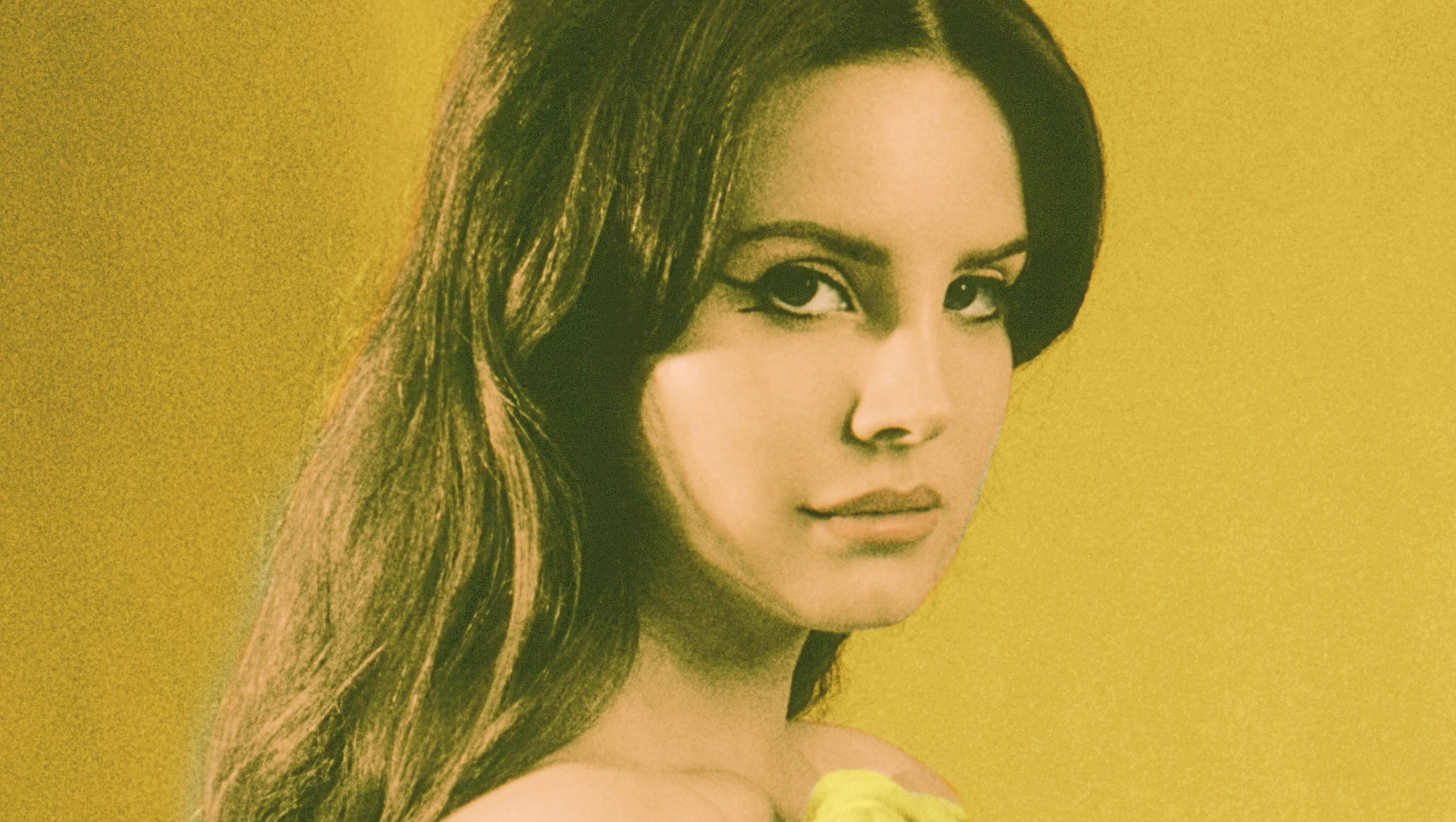
Ten years. It’s been over a decade since we first heard that jarring, heavy shift in tempo. You know the one. The moment where the drums kick in, the world slows down, and Lana Del Rey’s voice drops into a hazy, druggy registers that felt nothing like the "Video Games" girl we thought we knew. Honestly, West Coast didn't just change Lana's career; it basically shifted the entire trajectory of alternative pop.
When it dropped in April 2014, people were confused. The radio edit had to strip out the very thing that made it iconic—the down-tempo chorus—because programmers didn't think people could dance to a song that literally drags its feet. But that’s the magic of it. It’s a song about the push and pull of ambition, love, and that weird, neon-soaked California mythology.
What Really Happened with the Production of West Coast
The backstory of how this track came to be is kinda chaotic. Lana originally wrote and recorded the song with her long-time collaborator Rick Nowels. At the time, she was working in New York at Electric Lady Studios, spending five weeks alone trying to find a "classic rock" sound. But she wasn't feeling it. She felt the track was "too structured."
Then enters Dan Auerbach of The Black Keys.
They met at a party in New York when she thought the album, Ultraviolence, was already finished. She played him some tracks, they hit it off, and suddenly she’s in Nashville at his Easy Eye Sound studio. They spent three weeks basically re-recording the whole thing.
Auerbach brought a gritty, surf-rock grime to the track. He used a Shure SM58—a basic, $100 stage mic—to get that raw, "99% live" vocal take. If you listen closely, you can hear the room. It’s not polished. It’s messy. It’s real. That "two-in-one" structure where the song slows from 123 BPM to a crawling 50 BPM was a bold move that almost didn't make the cut because her label was, understandably, terrified.
The Beatles Connection
Most fans notice the vibe, but there’s a very specific musical nod hidden in the chorus. The descending blues riff that kicks in when she sings "Ooh baby, ooh baby" is actually an interpolation of the opening riff from The Beatles’ "And I Love Her." It wasn't an accident.
Lana has always been obsessed with the 60s, and blending that British Invasion influence with a "West Coast" surf-rock aesthetic created this weird, timeless feeling. It’s psychedelic, but it’s also deeply rooted in American blues.
Why "Down on the West Coast" Became a Cultural Anthem
The opening line—"Down on the West Coast they got a sayin'"—is basically legendary at this point. But what is the saying? The song never actually tells you. It leaves this empty space where you’re supposed to fill in your own version of the California Dream.
For some, it’s about the "Queen of Saigon" references and the darker underbelly of fame. For others, it’s just about being in love with a "bad boy" who’s got his "Parliament’s on fire and his hands are up." (And yes, for those wondering, Parliament is a brand of cigarettes, though fans have debated for years if it’s a political metaphor).
The Meaning Behind the Lyrics
Lana’s lyrics are famously vague yet hyper-specific. In West Coast, she’s torn between two worlds.
- Love: The guy who’s "crazy and Cuban" and "stronger than anyone."
- Ambition: The pull of the West Coast, the fame, the "silver starlets."
She’s basically choosing the dream over the reality. Or maybe she’s choosing the nightmare. The music video, directed by Vincent Haycock and shot in Marina del Rey and Venice, leans into this. You have the young, "cool" guy on the beach, and then you have the older, wealthy man in the car. It’s a literal representation of her being "torn."
Mark Mahoney, the legendary Hollywood tattoo artist, plays the older love interest. Having him in the video wasn't just a casting choice; it was a nod to the authentic L.A. culture Lana was so desperate to inhabit.
The "Mic Drop" Moment for Critics
Before Ultraviolence, critics weren't exactly kind to Lana. They called her a "concept human" and questioned her authenticity. West Coast changed the conversation.
It was narcoleptic. It was lush. It was, as Spin called it, the "most narcoleptic Top 40 hit of 2014." It peaked at #17 on the Billboard Hot 100, which is wild for a song that actively tries to make the listener feel like they’re underwater.
| Year | Achievement |
|---|---|
| 2014 | Debuted at #17 on Billboard Hot 100 |
| 2014 | Named a "Best Song of the Year" by NME, Rolling Stone, and Stereogum |
| 2024 | Still a staple in her live sets (recently played at Leeds 2024) |
Final Breakdown: Why It Still Sounds New
Even in 2026, West Coast doesn't feel dated. That’s because it didn't follow the trends of 2014. It didn't have a "drop" in the EDM sense; it had a "sink."
The use of the lead synth in the final chorus and those heavily layered background coos created a wall of sound that most pop artists are still trying to replicate. It’s a masterclass in atmosphere. If you're looking to understand the "Lana Del Rey" phenomenon, this is the starting point. It's the bridge between her pop-heavy Born to Die era and the sophisticated songwriter we saw on Norman Fucking Rockwell.
How to Experience West Coast Today
If you really want to get into the weeds of this track, don't just listen to the Spotify version. You need to dig a little deeper to see why this song is a blueprint for "mood" music.
- Check out the Radio Mix: It’s a totally different beast. It has a constant BPM and more acoustic guitar. It’s "easier" to listen to, but it loses the soul of the original.
- Watch the Coachella 2014 footage: This was the day before the song officially released. You can see the genuine shock on the crowd's faces when the tempo drops.
- Listen for the 12-string acoustic: Dan Auerbach added a 12-string acoustic and a shaker that give the song its "jangle." It’s a very subtle detail that keeps the psychedelic rock vibe from feeling too heavy.
West Coast isn't just a song about a place. It’s a song about a feeling—that specific, California-style melancholy that only Lana can really capture.
Next time you're driving, wait for the sun to start setting, roll the windows down, and let that chorus hit. You'll get it.