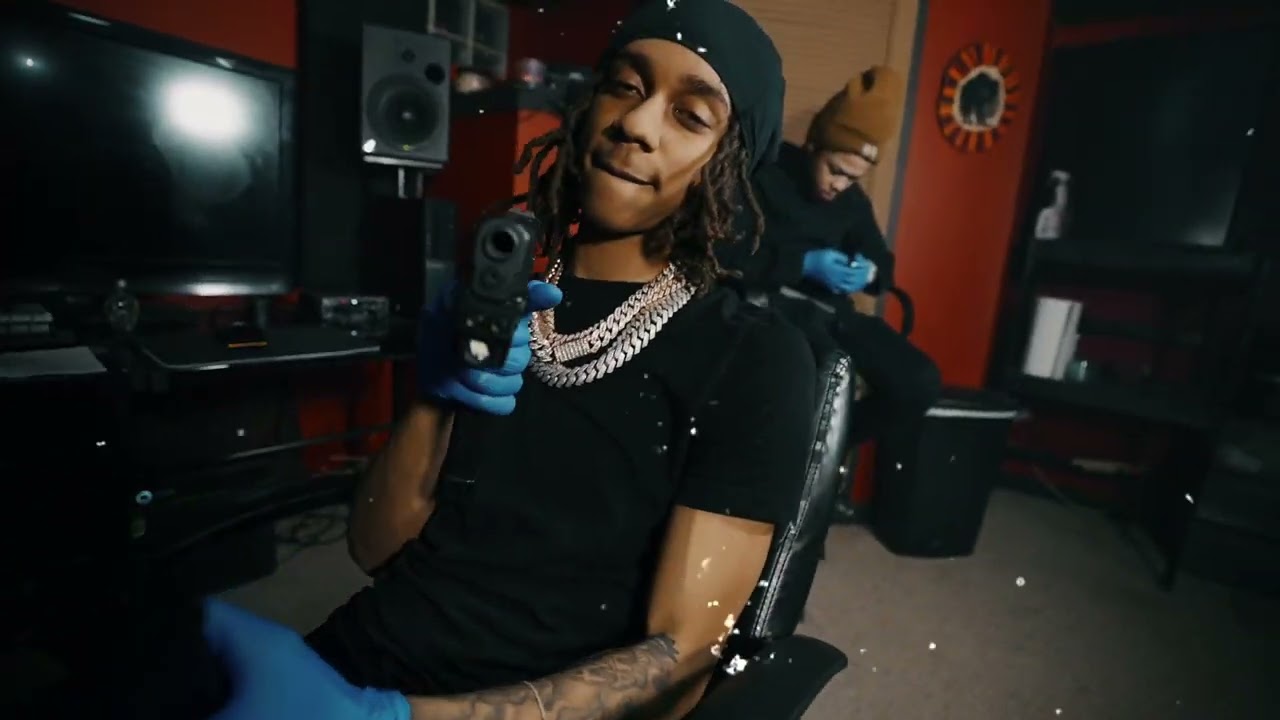
The Chicago drill scene is a whirlwind of talent and tragedy that moves so fast it’s hard to keep up. One day a rapper is trending on TikTok for a catchy snippet, and the next, their name is trending for the worst possible reason. This is exactly why people keep asking: is Bloodhound Lil Jeff alive?
He was just nineteen.
Jeffrey Morgan, known to the streets and the internet as Bloodhound Lil Jeff, became a polarizing figure in an incredibly short amount of time. He wasn't just a rapper; he was a lightning rod for controversy, known for his aggressive lyrics and a social media presence that many felt leaned too heavily into the "crash out" culture of the city. If you’ve spent any time on Chiraqology or rap Twitter lately, you know the rumors fly faster than the truth. People want to believe their favorite rising stars are somehow pulling a fast one, hiding out, or faking a death to escape the heat. But the reality in Chicago is rarely a movie script.
The Afternoon on 66th and Rhodes
It happened in broad daylight. June 8, 2024.
The details that emerged from the South Side that Saturday were chaotic. Initial reports described a shooting in the Woodlawn neighborhood, specifically the 6600 block of South Rhodes Avenue. It wasn't a random drive-by. According to police records and witness accounts that surfaced later, the incident involved a high-stakes confrontation.
Lil Jeff was reportedly part of a group that arrived in a vehicle and began firing. In the world of Chicago drill, these stories are often told through grainy CCTV footage and police scanners before they ever hit the news. The "Bloodhound" leader wasn't just a bystander; he was allegedly active in the conflict. However, the tables turned quickly. Return fire from a nearby residence struck him multiple times.
He was rushed to the University of Chicago Medical Center. He didn't make it.
The Cook County Medical Examiner’s Office officially confirmed the death of 19-year-old Jeffrey Morgan. This isn't a "missing person" case or a situation where a body was never found. The paperwork is there. The hospital records are there. The grief of his inner circle, including his close collaborator Bloodhound Q50, has been laid bare across social media for months.
Why the Internet Thinks Bloodhound Lil Jeff Is Still Alive
People love a conspiracy. Honestly, it’s a coping mechanism. When a young artist with that much momentum—no matter how controversial—drops off the map, fans look for loopholes. They see a blurry Instagram story or a "sighting" at a gas station and suddenly the "is Bloodhound Lil Jeff alive" theories start cooking again.
Some fans pointed to his unreleased music. In the digital age, a rapper can stay "active" for years after they pass away because of the sheer volume of material they leave on hard drives. Jeff was prolific. He was constantly in the studio. When new tracks or music videos drop, it creates a weird sensory dissonance for the listener. It feels like he’s still here.
Then there’s the "faked death" trope. We saw it with Tupac. We saw it with XXXTentacion. People argue that maybe he went into witness protection or just wanted to leave the violence behind. But witness protection doesn't usually involve a public shootout with fifteen shell casings and a confirmed transport to a major university hospital. The streets of Chicago don't really offer "retirement packages."
The Impact of "Unc" and the Trapping House
The internet has a weird way of turning tragedy into memes. If you've been following the aftermath, you’ve likely seen the "Unc" memes—referring to the older man allegedly involved in the defense of the house where the shooting occurred. This strange online subculture has almost gamified the event, which adds to the confusion. When people meme an event into oblivion, the gravity of the actual death starts to feel less real to those watching from a screen three states away.
But talk to anyone on the South Side. The loss is felt. The void in the Bloodhound collective is massive. You can’t fake the shift in energy that happens when a group loses its primary engine.
The Reality of the Drill Cycle
To understand why Jeff’s death was so definitive, you have to look at the culture he represented. He was part of a generation that lived entirely online. Every beef, every "score," and every loss was documented in real-time.
In the weeks leading up to June 8, Lil Jeff was incredibly active on Instagram Live. He was vocal. He was, by many accounts, "self-snitching" in his lyrics, claiming a high number of "hats" (murders). This level of visibility makes you a target. It’s a tragic cycle we’ve seen with King Von, with FBG Duck, and with Young Pappy.
The police investigation into the shooting on Rhodes Avenue didn't result in immediate murder charges against the people inside the house. Why? Because under Illinois law, there’s a strong argument for self-defense if someone is firing at your home. This legal nuance is another reason the story stayed in the headlines; it wasn't just a murder, it was a "botched" incident that left the aggressor dead.
What's Next for the Bloodhound Collective?
If you're looking for Lil Jeff, you won't find him in a safe house or a tropical island. You'll find him in the dozens of unreleased verses that Q50 and the rest of the crew are slowly trickling out.
The legacy of Bloodhound Lil Jeff is a complicated one. He represents the raw, unfiltered, and often terrifying reality of growing up in a cycle of systemic violence where the music is the only way out, but also the very thing that keeps you trapped in the crosshairs.
- Check the official reports: If you’re still skeptical, the Cook County Medical Examiner’s public records are the final word. There is no ambiguity in the filing for Jeffrey Morgan.
- Support the art, not the violence: It’s easy to get caught up in the "lore" of drill music, but these are real lives. Listening to the music is one thing; glorifying the circumstances of his passing is another.
- Watch the collaborators: Keep an eye on Bloodhound Q50. He is effectively carrying the torch for the movement now. His success or failure will determine if "Bloodhound" remains a relevant name in rap or becomes a footnote in Chicago history.
The "is Bloodhound Lil Jeff alive" question usually comes from a place of disbelief. Nineteen is too young. The talent was too obvious. But the streets are indifferent to potential. The most important thing anyone can do now is understand the conditions that lead to these outcomes so that the next "Lil Jeff" might actually get to see twenty-five.
The music remains. The videos are still getting millions of views. The influence on the "trench" aesthetic in rap is undeniable. But the man himself is gone, leaving behind a cautionary tale that the internet is still trying to process.
Stop looking for "sightings" and start looking at the reality of the situation. The cycle continues, and the only way to break it is to acknowledge how final these moments actually are.