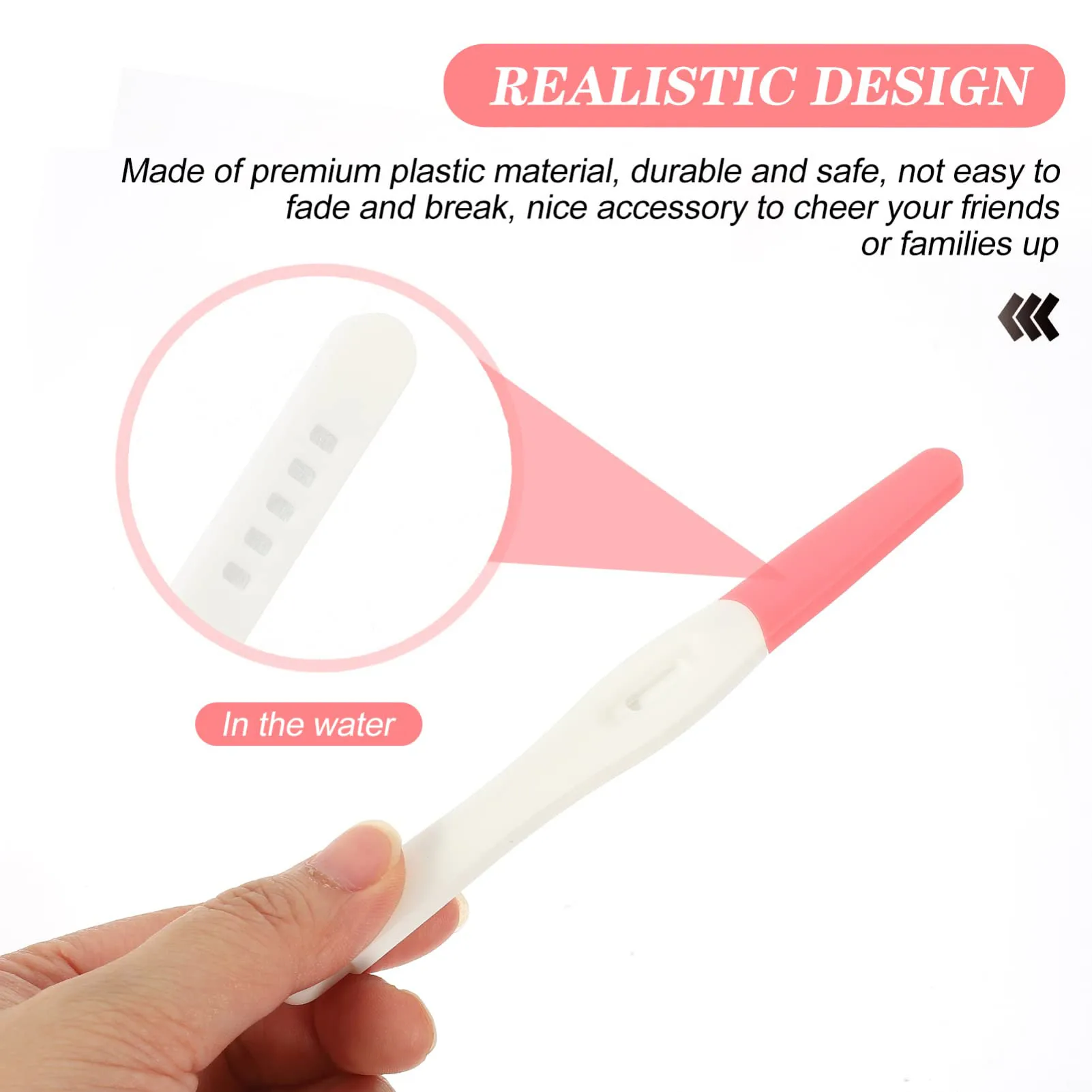
It starts with a blurry photo of two pink lines. Maybe it’s a text message to a partner or a quick post on a private Instagram story. For a second, it's funny. The shock, the "gotcha" moment, the frantic typing from a confused boyfriend. But honestly, the pregnancy test prank picture has become one of those internet trends that refuses to die, despite the massive social fallout it causes every single year. You’ve probably seen the stock images circulating on Pinterest or the apps specifically designed to add a digital "positive" to a real photo. People do it for the clout or just a bored Sunday afternoon laugh. It’s a prank as old as the plastic stick itself.
However, the digital landscape of 2026 isn't the same as it was a decade ago. What used to be a harmless joke between high schoolers has evolved into a weirdly complex ethical minefield. There’s a specific psychological rush that comes with "breaking" big news, even if that news is a total lie.
The Mechanics of the Pregnancy Test Prank Picture
How do people even pull this off without a real positive result? It’s surprisingly easy, which is part of the problem. Some go the DIY route. They use markers or even certain acidic juices—like lemon or apple juice—to trigger a faint second line on a cheap drugstore test. It’s a chemical glitch, basically. Others just hop on Google Images. They search for a "realistic pregnancy test prank picture" and hope their partner doesn't recognize the kitchen counter in the background of a photo taken by a stranger in 2018.
Then there are the apps. Yes, actual mobile applications exist solely to generate fake medical results. You pick the brand—Clearblue, First Response, whatever—and it overlays a crisp, believable positive result. It looks real. Too real. That’s where the trouble starts because the person on the receiving end isn't looking for Photoshop artifacts; they’re processing a life-altering event.
Why Do People Still Do This?
Social validation is a hell of a drug. We live in an era where engagement is currency. A photo of a salad gets ten likes. A photo of a positive pregnancy test gets three hundred comments and fifty phone calls. It’s an instant dopamine hit. For some, it’s a test of loyalty. They want to see how a partner reacts. Will they be happy? Will they run? It’s a toxic way to "vet" a relationship, but it happens more often than anyone wants to admit.
Psychologists often point to "attention-seeking behavior" as a primary driver, but sometimes it’s just pure, unadulterated boredom. We’ve become desensitized to the weight of the information we share. When everything is a "content play," the line between a funny joke and a devastating lie gets real thin, real fast.
The Invisible Impact on Community and Relationships
Here is the thing that people forget: you never know who is looking at your feed. While you’re laughing at your "hilarious" pregnancy test prank picture, a friend might be scrolling through while recovering from their third miscarriage. Or maybe a cousin is three years deep into a $20,000 IVF journey that isn't working.
To them, your joke feels like a slap in the face. It trivializes a struggle that is, for many, the most painful chapter of their lives. Advocacy groups like Resolve: The National Infertility Association have been vocal for years about how these pranks contribute to a culture that doesn't take reproductive health seriously. It’s not just about being "offended." It’s about the fact that pregnancy isn't a punchline for everyone.
Trust is Hard to Rebuild
Let's talk about the person actually being pranked. If you send a fake result to a spouse or a parent, you are intentionally triggering a massive hormonal and emotional response. Their brain dumps cortisol or oxytocin based on a lie. When the "just kidding!" comes out, that adrenaline has nowhere to go. It turns into resentment.
I’ve heard stories of breakups triggered by this exact stunt. It’s not that the partner didn't want a baby; it’s that they realized they couldn't trust the person they were with to tell the truth about something fundamental. Once you’ve faked a life-changing medical milestone, what else are you willing to lie about? It’s a valid question.
Digital Footprints and the "Boy Who Cried Wolf" Effect
We also have to consider the long-term digital trail. In 2026, the internet is written in ink. If you post a pregnancy test prank picture on Facebook or X, that image is indexed. It’s there. Fast forward three years when you’re actually pregnant and trying to share the news. Nobody believes you. You’ve successfully nuked your own credibility for the sake of a few "LOLs."
- Scraping and AI: Many of these fake images are being scraped by AI models to learn what a "positive test" looks like.
- Metadata: Savvy people can check the metadata of a photo. If the "date taken" says 2022 but you’re posting it as "fresh" news today, you look foolish.
- Family Archives: Think about your digital legacy. Do you really want your "On This Day" memories filled with fake drama?
Navigating the Ethics of Viral Pranks
Is there ever a "safe" way to do this? Probably not. Even if you think your audience is small, things go viral. Screenshots happen. A private joke can become a public disaster in about four clicks. If you feel the urge to pull a prank, maybe stick to the classic "cling wrap on the toilet" or a fake spider. They’re annoying, sure, but they don't involve the complex ethics of human life and reproductive health.
Some people argue that everyone is "too sensitive" nowadays. They say it’s just a joke and people need to lighten up. But honestly, humor is supposed to punch up, not down. Punching down at people who are struggling with fertility—even if you don't realize that's what you're doing—is just bad comedy.
Real-World Consequences
There are even documented cases where these pranks have led to legal or workplace issues. Imagine a boss seeing your "positive" test on social media. They might start thinking about maternity leave or project handovers. Even if you tell them it was a joke later, that seed of "reliability" is gone. It sounds extreme, but the workplace is a competitive environment. Don't give anyone a reason to doubt your professional maturity.
Better Ways to Get a Laugh
If you’re looking for engagement, there are a million ways to get it without resorting to a pregnancy test prank picture. Share a weird recipe. Post a video of your dog doing something stupid. Use a "face swap" filter on your grandma. These things provide the same hit of attention without the potential for deep, emotional scarring of your friends or the erosion of trust in your marriage.
Actionable Steps for the Digitally Responsible
If you’ve already posted one and are starting to regret it, or if you’re seeing them pop up in your feed, here is how to handle it with some grace.
First, if you posted one, just delete it. You don't need a big "I’m sorry" post that draws more attention to it. Just take it down. If someone asks, be honest: "I realized it was in poor taste and didn't want to hurt anyone's feelings." That’s it.
Second, if you see a friend post one, you don't have to go on a crusade. A simple, private message saying, "Hey, just a heads up, a couple of people we know are struggling with infertility right now, and this might be a tough one for them to see," usually does the trick. Most people aren't malicious; they’re just thoughtless.
Lastly, check your sources. If you see a photo that looks suspicious, don't immediately jump to congratulations. Look at the lighting. Is it consistent with the room? Does the hand in the photo actually look like your friend's hand? Often, people forget that skin tones and nail polish are dead giveaways when they use a stock photo.
The reality is that a pregnancy test prank picture is a relic of a less empathetic era of the internet. We know more now. We understand the hidden struggles of those around us better than we did in the early 2000s. Moving past this specific brand of "humor" isn't about being politically correct; it’s about being a decent friend and a trustworthy partner. Focus on creating content that builds connections rather than testing them. The "likes" you get from a genuine moment will always feel better than the frantic comments on a fake one.