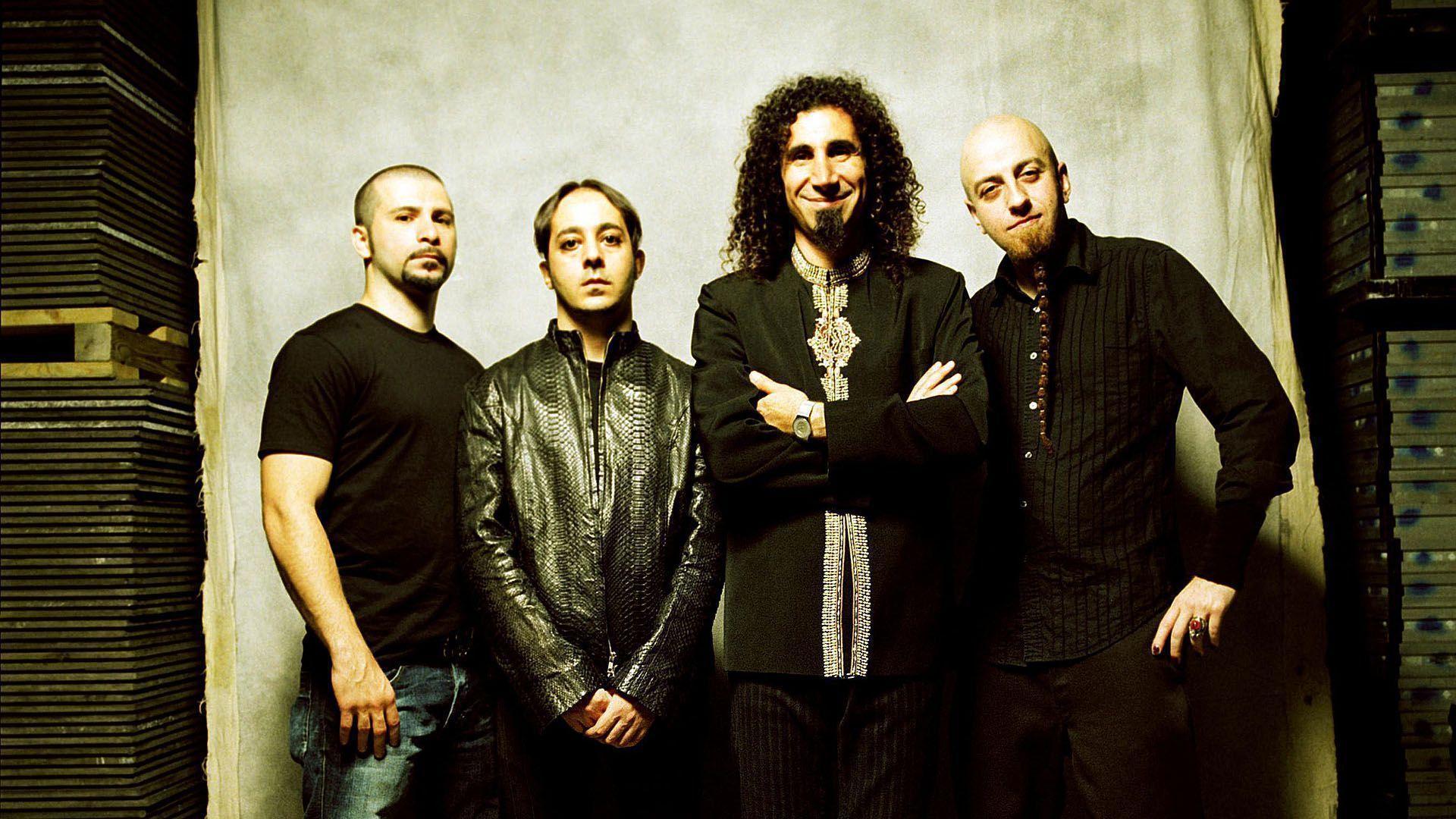
"Soil" is basically the moment System of a Down stopped being a local Los Angeles curiosity and started becoming the monster that ate the 2000s. If you go back to their self-titled 1998 debut, it’s easy to get lost in the radio hits like "Sugar" or "Spiders." But "Soil"? That’s the raw, bleeding heart of the record. It is a deeply uncomfortable, structurally erratic, and emotionally violent piece of music that tells you everything you need to know about Serj Tankian’s psyche and Daron Malakian’s frantic guitar work.
It’s fast. It’s slow. Then it’s fast again.
Most people don't realize that System of a Down Soil wasn't just another track thrown onto the B-side of a session. It was one of the first songs they ever wrote. Back when they were still called Soil—yeah, the band name literally came from the song—they were practicing in cramped spaces, trying to figure out how to blend Middle Eastern scales with thrash metal and punk. This track is the DNA of the band. If you don't get "Soil," you don't really get System of a Down.
The Tragic Meaning Behind the Chaos
A lot of fans think Serj is just screaming about "the sky" or "the death" in a metaphorical sense, but the reality is much more grounded and, honestly, pretty depressing. The song is about a friend of the band who committed suicide. You can hear the genuine anguish in the bridge where the tempo drops and the vocals get hauntingly quiet.
When Serj yells "Why the fuck did you take them away from us?", he isn't being edgy for the sake of being edgy. He’s asking a question that doesn't have an answer. It’s about a friend named Dave who took his own life using a firearm. That’s why the lyrics mention "an empty gun." It’s a literal description of a horrific event. This isn't the cartoonish violence of some nu-metal bands from the same era; it’s a eulogy disguised as a riot.
Why the Composition of Soil is a Technical Nightmare
Musically, the song is a mess in the best way possible. Rick Rubin, who produced the album, has often talked about how the band’s timing was revolutionary because it didn’t make sense on paper. Most rock songs stay in 4/4 time. System of a Down Soil ignores those rules.
- The intro starts with a jagged, chromatic riff that feels like a warning.
- Then it shifts into a frantic 7/8 or 6/8 feel that keeps the listener off-balance.
- The breakdown is a slow, sludge-heavy dirge.
- Then, Daron hits one of his most underrated solos—fast, messy, and frantic.
It feels like a panic attack put to tape. If you’re a guitar player, trying to nail the specific "skank" rhythm of the verses is a lesson in frustration. It’s not just about speed; it’s about the stop-start dynamics. The silence between the notes is just as important as the notes themselves. This is where the band’s Armenian roots really shine through, using those minor-second intervals that sound "wrong" to Western ears but feel visceral and ancient.
The "Soil" Era: Before the Fame
Before the 1998 album dropped, the band was circulating demo tapes. The 1995 demo version of this song is even rawer. You can find it on various bootlegs or YouTube deep-dives. In that version, the production is thin, but the anger is arguably more potent.
They played this song at the legendary Troubadour and the Whisky a Go Go. In those small rooms, the transition from the quiet bridge to the explosive finale probably felt like a physical assault. It’s one of those tracks that cemented their reputation as a live act you couldn't ignore. They weren't just playing music; they were having a collective breakdown on stage.
Why People Get the Lyrics Wrong
Interpreting Serj Tankian is a full-time job for some people. There’s a line about "the phoenix" and "the soil" that people try to turn into a political statement about the Armenian Genocide. While System of a Down is obviously a political band—look at "P.L.U.C.K." or "War!"—"Soil" is intensely personal.
It’s about the feeling of being left behind. When someone dies by suicide, the people left in the "soil" are the ones who have to deal with the dirt, the mess, and the unanswered questions. The "soil" is the ground we walk on, but it’s also where we bury our friends. It’s a double meaning that often gets lost in the mosh pit.
Honestly, the lyrical structure is almost stream-of-consciousness. One second he's talking about a "man who was a king," and the next he's screaming about "don't you realize that evil lives in the motherfucking skin." It’s poetic, but it’s jagged. It doesn't want to be pretty.
Technical Details for the Gear Nerds
If you’re trying to recreate that 1998 sound, you have to look at Daron Malakian’s setup at the time. He wasn't using the fancy signature guitars he has now. He was mostly using an Ibanez Iceman, often tuned to Drop C (C-G-C-F-A-D). That low C is what gives the breakdown in System of a Down Soil its gut-punching weight.
Shavo Odadjian’s bass tone on this track is also incredibly "clanky." He uses a pick and plays right over the pickups to get that percussive sound that cuts through the wall of guitars. It’s a very specific late-90s production style that Rick Rubin mastered—making everything sound like it’s about to break.
Actionable Ways to Appreciate the Song Today
If you want to actually understand the depth of this track, don't just stream it on crappy earbuds while you're at the gym.
First, go find the lyrics and read them without the music. You’ll see the mourning hidden under the aggression. It reads like a poem written in a hospital waiting room.
Second, watch a live performance of "Soil" from the 1999 Reading Festival or their Astoria London show. You’ll see Serj’s eyes go wide during the bridge; he’s not acting. He’s back in that headspace.
Third, listen to the 1995 Demo Tape 1 version. Compare how the song evolved. The structure stayed almost exactly the same for three years before it was recorded for the album, which shows how much they believed in the arrangement. They didn't over-polish it. They kept the rough edges because the rough edges were the point.
Is Soil the Best SOAD Song?
That’s subjective, obviously. "Chop Suey!" is the hit. "Toxicity" is the masterpiece. But "Soil" is the foundation. Without this track, they wouldn't have had the confidence to be as weird as they were on later albums. It proved that you could have a song about suicide that was also a high-speed metal anthem without losing the emotional weight of the subject matter.
It's a reminder that System of a Down was always more than just a political band or a "zany" metal act. They were four guys trying to process grief and heritage through the loudest means possible. "Soil" is where they found their voice.
To truly get the most out of this track, listen to it in the context of the full debut album. Don't skip tracks. Let "Peephole" lead into it, and let the transition hit you. Notice the way the feedback at the end of the song bleeds into the next moment of silence. This is intentional sequencing that defines the "nu-metal" era before the genre became a parody of itself. Focus on the drum fills by John Dolmayan during the final chorus; his ability to keep a straight rock beat while the rest of the band is playing in a different dimension is what keeps the song from falling apart completely.